



Signup for the newsletter
We have put together a step-by-step guide to a perfect but affordable smile. This guide has been created using data from five different international dissertations and research, with years of experience from dental tourism experts and facts provided to us by our partner clinics. You will receive my letters 1-2 times every week.
Subscribe!
Enter your email address to join 100+ others.


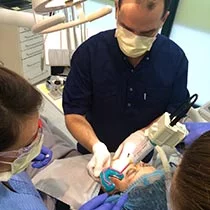 does not experience any discomfort in the larynx or nose after the anaesthesia. He soon regains consciousness and walks on his own two feet. He receives intravenous medication while we monitor his heart and respiratory functions. General Anesthesia: This puts you in a deep sleep and is usually reserved for complex procedures or patients with severe anxiety. It carries the highest risk but is still considered safe when administered by trained professionals with proper monitoring.
 We will need you to fill out a medical history form that you should e-mail us. If you have indicated to us that you would like to have your treatment under full dental anaesthesia, we will send you the necessary medical history form by e-mail. After that, the anaesthetist will decide which examinations must be carried out and whether you are allowed to have dental anaesthesia. The examinations can be carried out either in your home country (this has the advantage that the majority of the possible reasons that could be against anaesthesia will be discovered before the trip) or in Hungary with us (this will lengthen your treatment time by 1-2 days).
 1. After the doctor who carries out the examinations has stated that everything is ok with you and has provided you with preliminary advice (e.g. medication), you show up to the appointment at your clinic in Hungary with your own personal assistant.
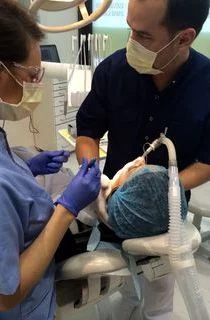 After the anesthesiologist has answered all your possible questions, you sign the anaesthesia consent form. If you do not sign it, we are not allowed to perform dental anaesthesia.